



Outline
-
Intro: Stitched Stories, Not Just Stitches
-
What’s the Real Difference? (Hand vs. Machine)
-
How to Tell: Professional Tips for Spotting Hand Embroidery
-
Why Hand Embroidery Endures in a Fast-Paced World
-
Hand Embroidery in the Home & Gift Industry: More Than Decor
-
Modern Twists: Watercolor, Whimsy, and Personalized Patterns
-
FAQs
Stitched Stories, Not Just Stitches
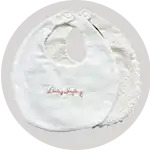
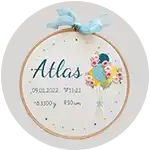
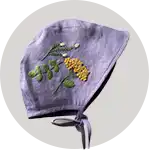
Let’s be honest—when you see a beautifully embroidered clock or a hand-stitched baby bonnet, you don’t just see thread and fabric. You see a story. Maybe it’s a milestone, a memory, or a moment you want to hold onto. At Embby, we’re not just making clocks or accessories; we’re creating carriers for your most precious moments, stitched with love and intention.
But there’s a question that always pops up: Why stick with hand embroidery when machines can do it faster, cheaper, and, frankly, more perfectly? Let’s unravel that together.
What’s the Real Difference? (Hand vs. Machine)
Here’s the thing: both hand embroidery and machine embroidery have their place, but they’re worlds apart in spirit and result.
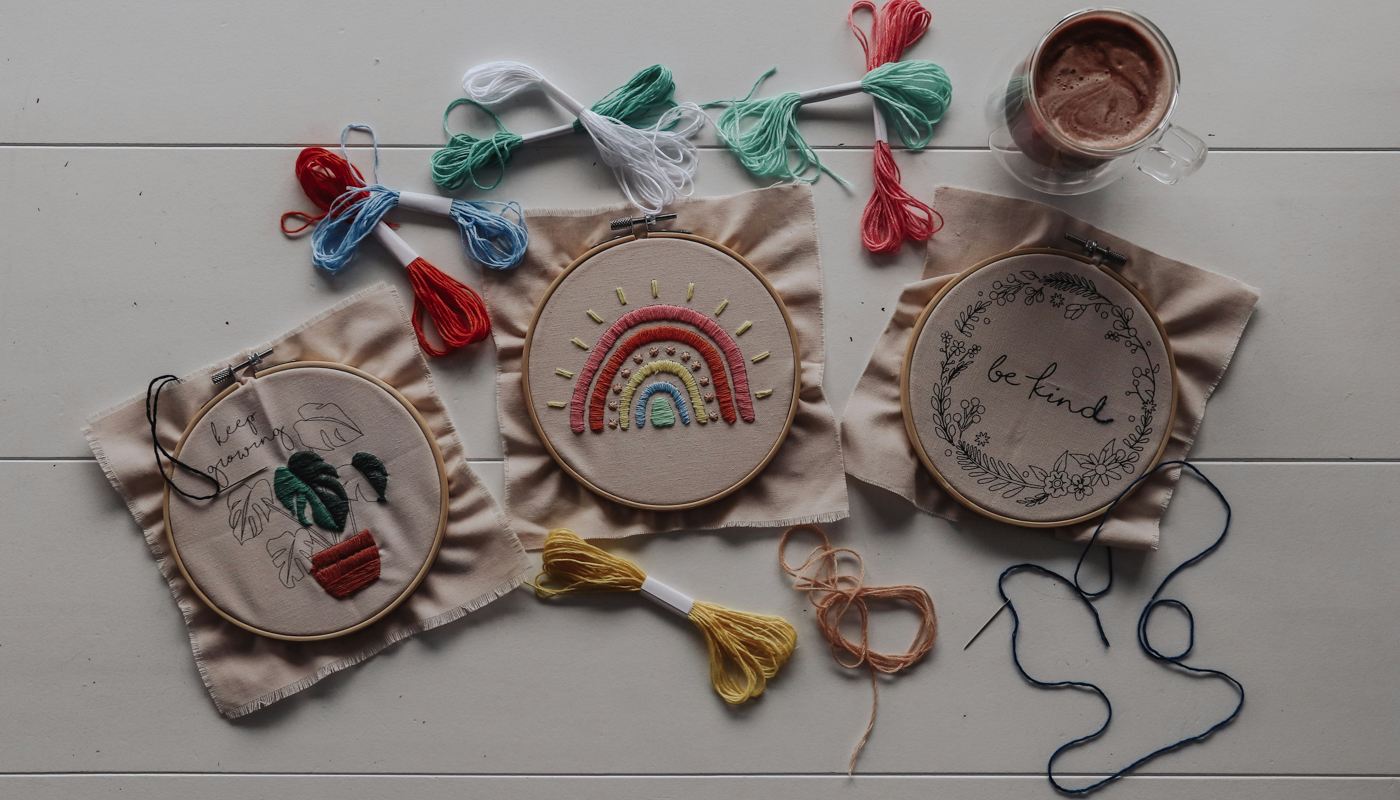
Hand Embroidery is all about the personal touch. Every stitch is placed by a real human, sometimes with a sigh, sometimes with a smile. It’s slow, yes, but that’s part of the charm. The texture is softer, the patterns more organic, and the tiniest variations make each piece a true original.
Machine Embroidery is the speedster of the textile world. Plug in a digital design, and the machine whirs to life, producing perfect, identical stitches—over and over again. It’s efficient, precise, and ideal for mass production, like logos on uniforms or dozens of matching napkins.
| Feature | Hand Embroidery | Machine Embroidery |
| Stitching Process | Manual, one stitch at a time | Automated, digital patterns |
| Design Uniformity | Unique, with natural variations | Identical, highly consistent |
| Speed & Efficiency | Time-consuming, meditative | Fast, suitable for bulk orders |
| Artistic Expression | Unlimited, personal, and creative | Limited by software and machine capability |
| Texture & Feel | Soft, dimensional, warm | Flat, uniform, sometimes stiffer |
| Customization | Highly customizable, one-of-a-kind | Customizable, but within machine limits |
| Cultural Value | Deeply rooted in tradition and storytelling | Modern, commercial, less cultural depth |
How to Tell: Professional Tips for Spotting Hand Embroidery
Ever wondered how the pros can spot hand embroidery at a glance? Here’s what to look for:
-
Stitch Uniformity: Hand embroidery will have slight variations in stitch length and tension. Machine embroidery is almost eerily perfect—every stitch is the same size and spacing.
-
Back of the Work: The reverse side of hand embroidery often shows knots or thread tails, while machine embroidery is typically neat, with a stabilizer backing.
-
Texture: Hand stitches feel softer and more dimensional. Machine stitches can feel tighter and sometimes a bit stiff due to dense stitching and stabilizers.
-
Thread Type: Hand embroidery often uses softer, varied threads. Machine embroidery threads are stronger and designed for high-speed stitching.
Why Hand Embroidery Endures in a Fast-Paced World
You might ask, “Why go slow when you can go fast?” It’s a fair question—especially in a world obsessed with efficiency. But here’s the thing: not everything precious can (or should) be rushed.
Hand embroidery is about meaning, not just making. When you give or receive a hand-embroidered gift, you’re not just getting a product—you’re holding someone’s time, care, and creativity. It’s the difference between a handwritten letter and a mass-produced postcard. Both deliver a message, but only one carries the sender’s heartbeat.
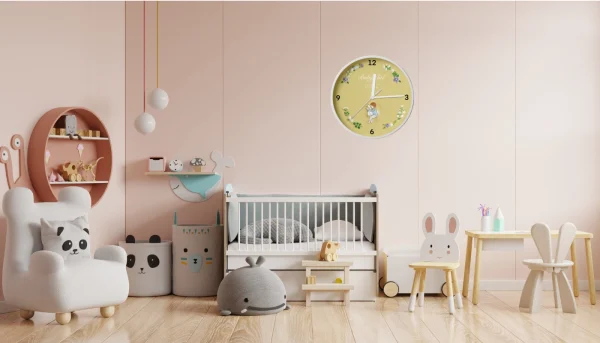
In the home and gift world, hand embroidery is a way to anchor memories. Think of a clock that marks your child’s milestones, or a pillow stitched with a family saying. These aren’t just decorations—they’re heirlooms, full of warmth and history.
Hand Embroidery in the Home & Gift Industry: More Than Decor
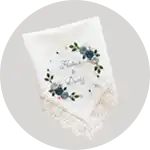
Let’s get real: a machine can stitch a thousand napkins, but it can’t stitch a single memory. In the home and gift industry, people crave authenticity. They want gifts that feel personal, not generic. Hand embroidery delivers that, every single time.
-
Texture & Warmth: Hand-embroidered home goods—like napkins, pillows, or wall decor—offer a tactile, cozy feel that mass-produced items can’t match.
-
Personalization: Every piece can be tailored to the person or the moment. Names, dates, inside jokes—hand embroidery makes it possible.
-
Cultural Connection: Hand embroidery keeps traditions alive, passing down skills and stories from one generation to the next.
Modern Twists: Watercolor, Whimsy, and Personalized Patterns
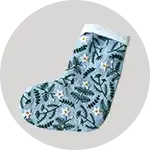
Now, just because something is traditional doesn’t mean it can’t be fun. At Embby, our designers love mixing hand embroidery with playful elements—think watercolor painting on fabric, quirky animal motifs, or bold, modern florals. We want everyone, from toddlers to grandparents, to find a pattern that makes them smile.
And honestly, isn’t that what gifts are for? To remind us of the people we love, the time we’ve shared, and the beauty in the everyday.
FAQs
1. How can I tell if embroidery is done by hand or machine? Look for slight irregularities in stitch length and tension—hand embroidery is never perfectly uniform. The back of the work may show knots or loose threads, while machine embroidery is usually very neat and consistent.
2. Why is hand embroidery more expensive than machine embroidery? Hand embroidery takes much more time and skill. Each piece is unique and requires careful attention, which is reflected in the price.
3. What types of embroidery stitches are used in hand embroidery? Common stitches include satin stitch, chain stitch, backstitch, and French knots. Each stitch adds its own texture and personality to the design.
4. Is hand embroidery more durable than machine embroidery? Both can be durable if cared for properly, but hand embroidery may require gentler washing and handling, especially if delicate threads or stitches are used.
5. Why choose hand embroidery for gifts or home decor? Hand-embroidered items carry a personal touch and emotional value that machine-made products can’t match. They’re perfect for marking special occasions, expressing love, and creating lasting memories.
Hand embroidery isn’t just a technique—it’s a language of love, memory, and artistry. In a world running on fast-forward, sometimes the slowest stitches say the most.